Top 5 Myths About Knife Sharpening Debunked


Understanding Knife Sharpening
Knife sharpening is an essential skill for anyone who spends time in the kitchen. However, there are numerous myths surrounding the process that can lead to confusion and poor sharpening techniques. In this post, we'll debunk the top five myths about knife sharpening to help you maintain your blades effectively.

Myth 1: Sharpening and Honing Are the Same
One of the most common misconceptions is that sharpening and honing are the same. Sharpening involves removing material from the blade to create a new edge, while honing realigns the existing edge without removing significant material. Honing should be done regularly, whereas sharpening is needed less frequently.
Myth 2: A Sharper Knife Is More Dangerous
Contrary to popular belief, a sharper knife is actually safer than a dull one. A sharp blade requires less force to cut, reducing the risk of slipping and causing injury. Dull knives can lead to accidents as they often require more pressure to cut through materials.
Debunking Common Techniques
There are several techniques that people swear by when sharpening their knives. However, not all are effective or necessary. Understanding the truth about these methods can improve your sharpening skills.
Myth 3: You Need Only One Sharpening Tool
Many believe that a single sharpening tool, like a whetstone or a honing rod, is sufficient for all tasks. In reality, different tools serve different purposes. A whetstone is ideal for sharpening, while a honing rod is perfect for maintaining the edge. Using the right tool for the right job will yield the best results.
Myth 4: All Knives Should Be Sharpened at the Same Angle
Not all knives are created equal, and neither are their sharpening angles. The optimal angle for sharpening depends on the knife's purpose and design. For example, Western knives typically require a 20-degree angle, while Japanese knives may need a 15-degree angle. Using the correct angle ensures the blade performs as intended.
Sharpening Frequency and Maintenance
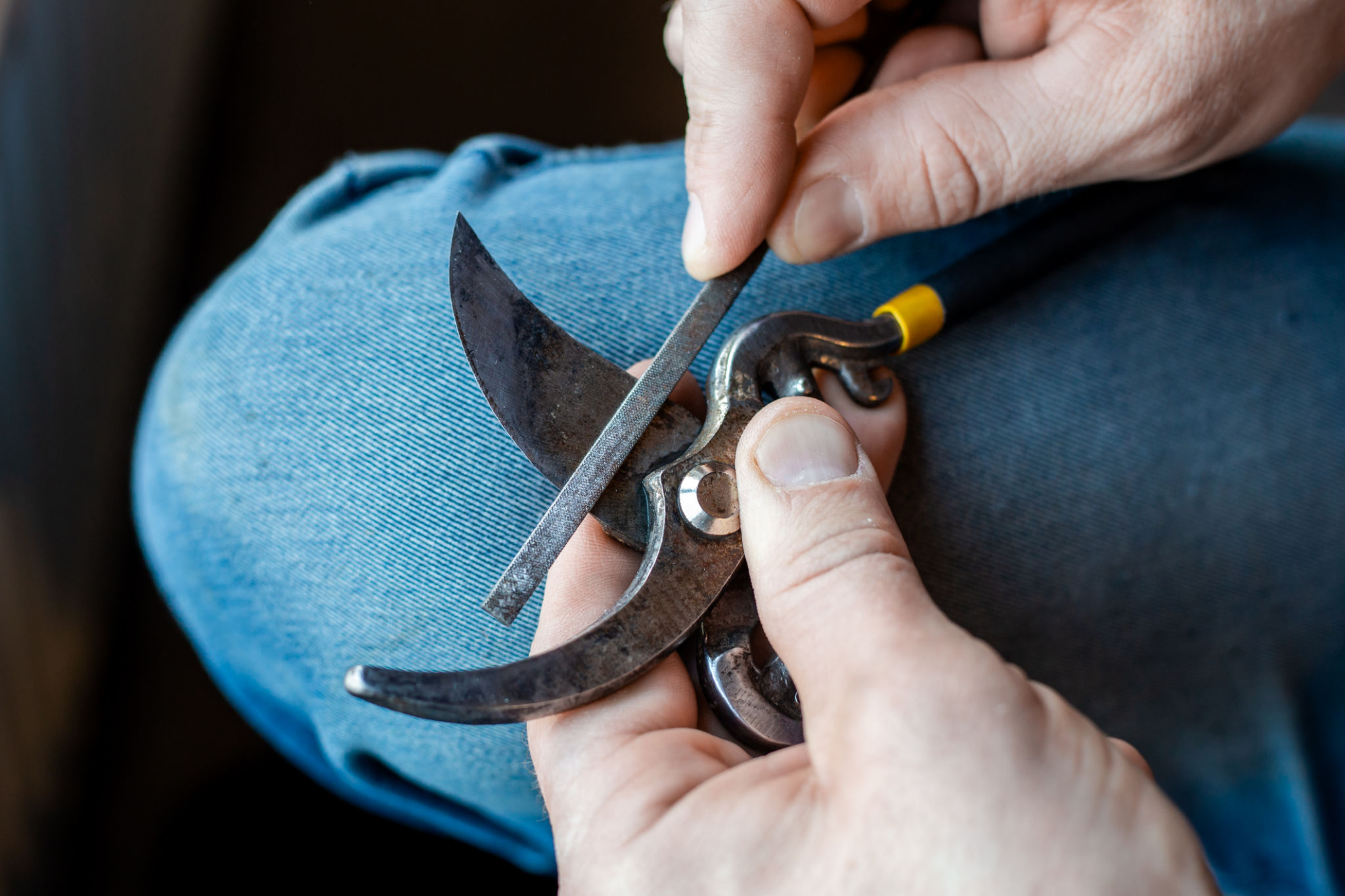
Understanding when and how often to sharpen your knives is crucial for maintaining their longevity and performance.
Myth 5: Knives Need Sharpening Every Week
While regular maintenance is important, sharpening too often can wear down the blade unnecessarily. Instead, hone your knives regularly and sharpen them only when they start to dull. This approach preserves the knife's life and ensures optimal performance without excessive wear.
In conclusion, debunking these myths allows you to maintain your knives more effectively. By understanding the difference between sharpening and honing, using the right tools, and knowing the correct angles and frequencies, you can keep your blades in excellent condition for years to come.