The Ultimate Guide to Kitchen Knife Sharpening: Techniques and Tools


Keeping your kitchen knives sharp is essential for efficient and safe cooking. A sharp knife not only performs better but also reduces the risk of accidents. In this guide, we'll explore the various techniques and tools you need to keep your knives in top condition.
Why Knife Sharpening is Important
Sharp knives make cutting and slicing tasks easier and more precise. A dull knife requires more force, increasing the likelihood of slipping and causing injury. Regular sharpening maintains the blade's effectiveness and prolongs its lifespan.

Understanding Knife Edge Angles
Different knives have different edge angles, affecting their sharpness and durability. Generally, Western knives have a 20-degree angle, while Japanese knives have a sharper 15-degree angle. It's important to maintain the correct angle while sharpening to preserve the blade's integrity.
Checking the Angle
You can use an angle guide or a protractor to ensure you're holding the knife at the right angle. Some sharpening tools come with built-in angle guides to make this process easier.
Techniques for Sharpening Knives
Using a Whetstone
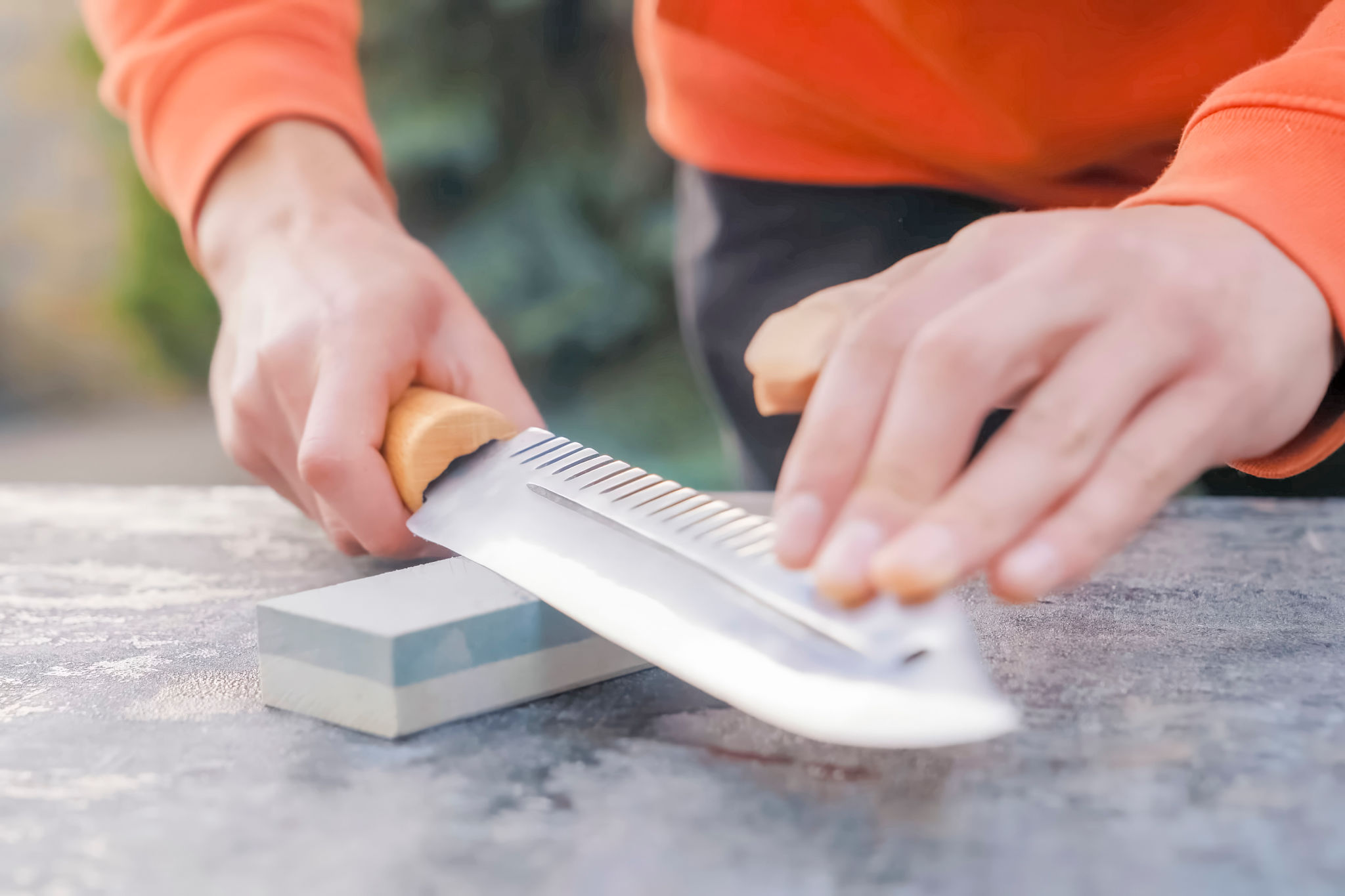
A whetstone is a traditional and effective tool for sharpening knives. Start by soaking the stone in water for about 10 minutes. Hold the knife at the correct angle and slide it across the stone, alternating sides. This technique requires practice but delivers excellent results.
Sharpening with a Honing Rod
While honing rods don't sharpen knives in the traditional sense, they realign the blade's edge, maintaining sharpness between sharpenings. Hold the rod vertically and swipe the knife downwards at a consistent angle, alternating sides.
Tools for Knife Sharpening
Electric Knife Sharpeners
Electric sharpeners are convenient for those who prefer a quick and easy solution. They typically offer multiple slots for coarse and fine sharpening, ensuring a polished finish. However, they may remove more material than necessary, shortening the knife's lifespan.
Manual Sharpeners
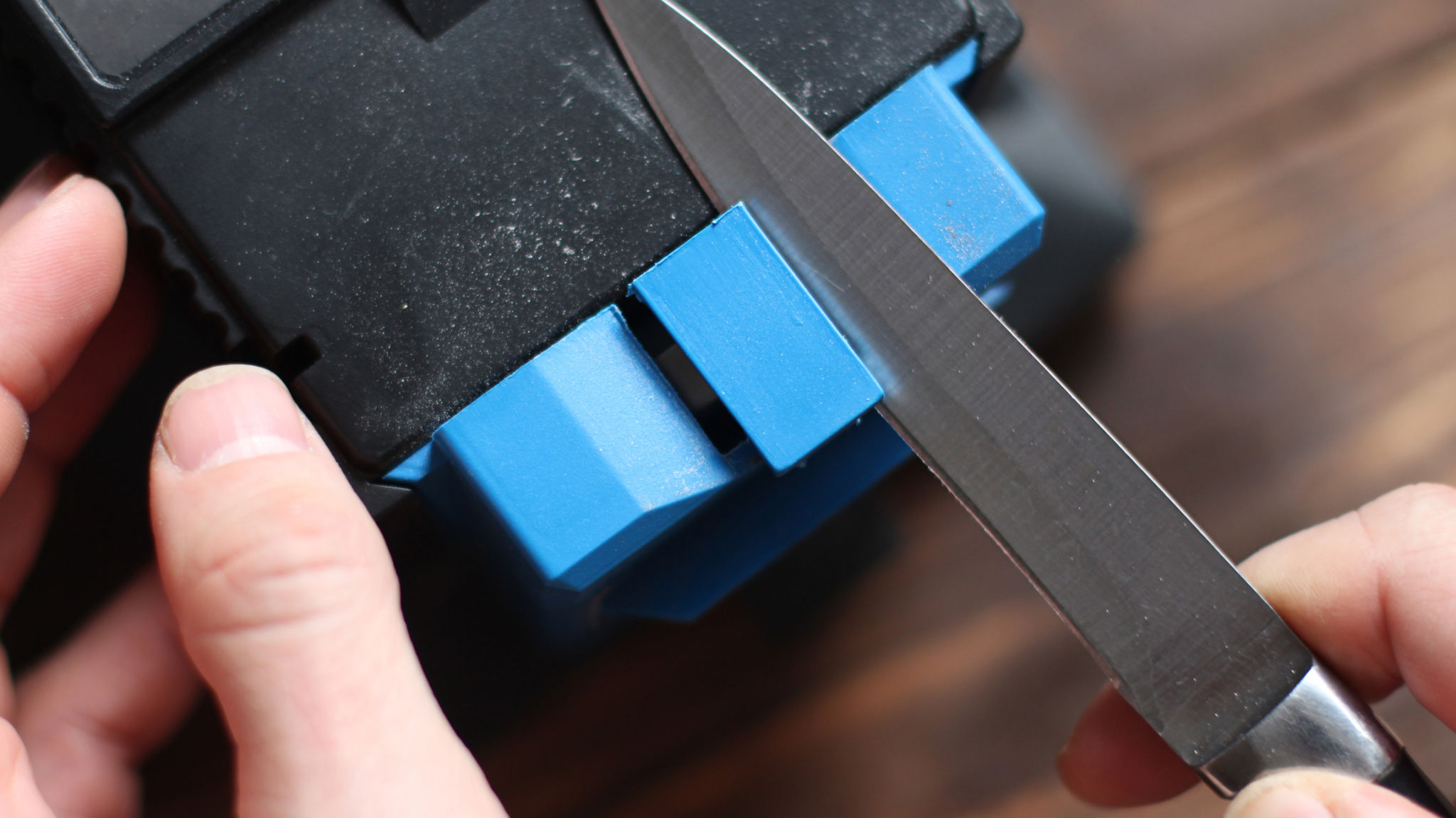
Manual sharpeners are a great alternative for those who want more control without the complexity of a whetstone. These tools often feature preset angles, making them user-friendly and efficient.
Maintaining Your Knives
Regular maintenance is key to keeping your knives sharp. Clean them properly and store them in a knife block or magnetic strip to prevent damage. Consider sharpening your most-used knives every few months, depending on usage.
By understanding the techniques and tools available, you can ensure your kitchen knives remain sharp and ready for any culinary challenge. With practice, you'll master the art of knife sharpening, enhancing both your cooking experience and safety.